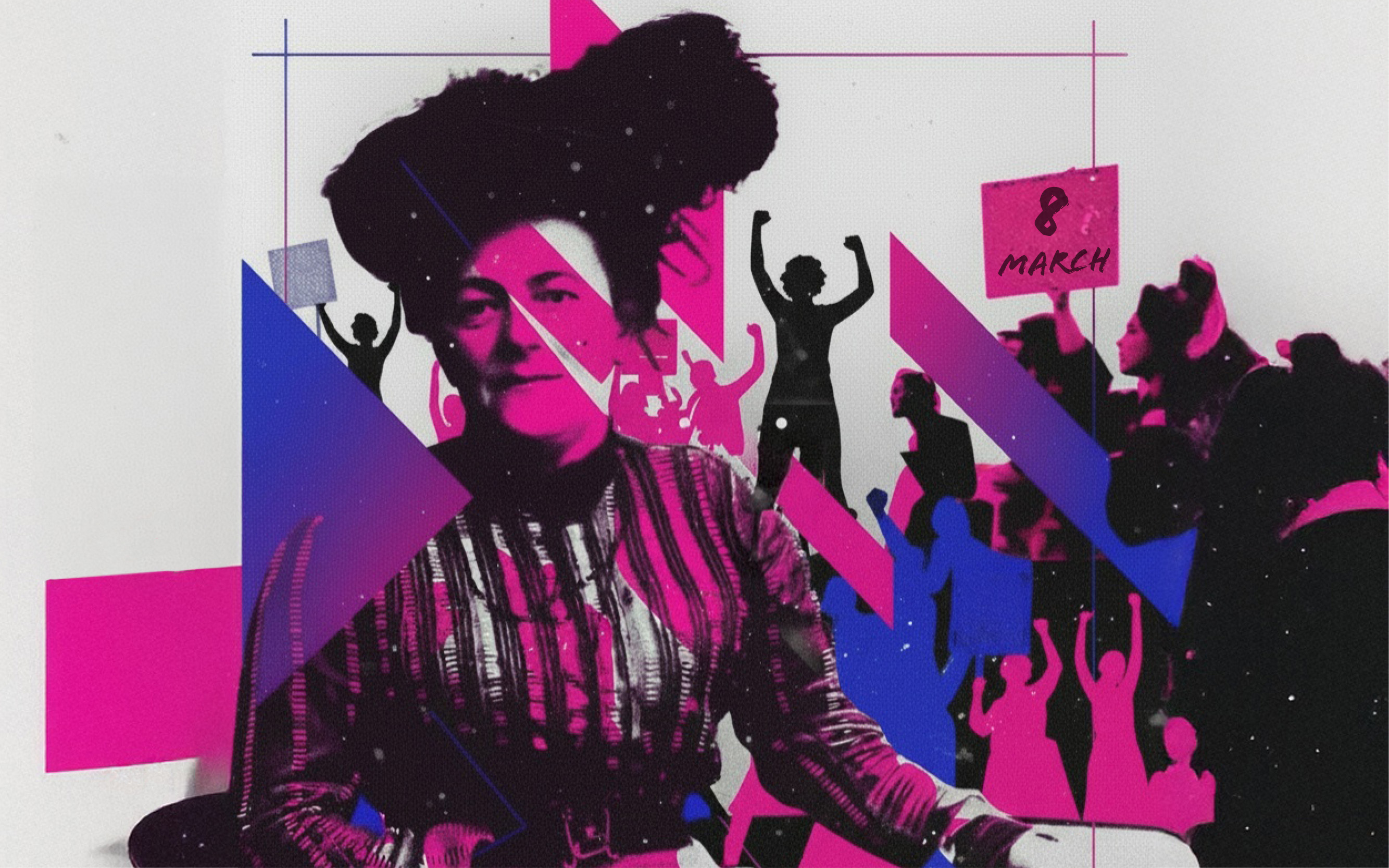
Deconstructing "Muttertag 8 März": Understanding the Nuance of Two Significant Dates
The phrase "muttertag 8 märz" immediately sparks an interesting discussion, as it brings together two distinct yet profoundly important observances: Mother's Day and March 8th. While Mother's Day is a global celebration honoring mothers and maternal figures, its date varies significantly across the world. March 8th, on the other hand, is universally recognized as International Women's Day (IWD), a day dedicated to celebrating the social, economic, cultural, and political achievements of women, while also advocating for gender equality.
The apparent conflation of "muttertag 8 märz" suggests a unique cultural context or perhaps a common misunderstanding that intertwines these two occasions. In many parts of the world, particularly in Eastern Europe, Russia, and some former Soviet bloc countries, March 8th indeed holds a dual significance. While primarily International Women's Day, it has historically absorbed some of the traditional sentiments associated with Mother's Day, becoming a day where women in general, including mothers, are celebrated with flowers, gifts, and expressions of appreciation. This article will delve into the origins and significance of both days, explore their occasional overlap, and offer insights into how these powerful celebrations shape our societies.
The Distinct Origins and Global Celebrations of Mother's Day and International Women's Day
To fully appreciate the context of "muttertag 8 märz," it's crucial to understand the individual histories of these two observances.
Mother's Day: A Tribute to Maternal Love
The modern iteration of Mother's Day began in the United States in the early 20th century, largely at the behest of Anna Jarvis, who sought to honor her own mother and advocate for a day recognizing mothers' contributions to families and society. Officially recognized in 1914, it quickly spread, typically observed on the second Sunday in May in countries like the U.S., Canada, Australia, and many parts of Europe. However, its timing is far from uniform:
- UK and Ireland: Mothering Sunday, often linked to Christian traditions, falls on the fourth Sunday of Lent.
- Mexico and Central America: May 10th is a traditional Mother's Day.
- France: Usually the last Sunday of May (unless Pentecost falls on that day, then it's the first Sunday of June).
The essence of Mother's Day is deeply personal and family-focused, a time for children and partners to express gratitude and love for the mothers in their lives through cards, gifts, meals, and quality time. You can learn more about its varying celebrations in muttertag 8 märz - Article 1.
International Women's Day (March 8th): A Call for Equality
International Women's Day has a very different genesis. It emerged from the socialist and labor movements of the early 20th century, particularly in North America and Europe. The first national Woman's Day was observed in the United States on February 28, 1909, by the Socialist Party of America. In 1910, at the second International Conference of Working Women in Copenhagen, Clara Zetkin proposed an International Women's Day to press for their demands, including the right to vote. March 8th gained prominence after women in Soviet Russia gained suffrage in 1917, and it was declared a national holiday there. The United Nations officially recognized International Women's Day in 1977, transforming it into a global day for celebrating women's achievements and campaigning for gender parity.
IWD is fundamentally about empowerment, rights, and collective action. It's a day for parades, protests, conferences, and educational initiatives aimed at advancing women's rights globally. While celebratory, its core message is one of advocacy and progress, often highlighting ongoing struggles for equality.
Where "Muttertag 8 März" Finds Its Unique Place: Cultural Overlaps and Modern Interpretations
The specific connection of "muttertag 8 märz" often refers to countries where International Women's Day has traditionally taken on a broader celebratory role, incorporating elements that in other cultures are reserved for Mother's Day. In many Eastern European and former Soviet Union countries, March 8th is not just a day for political action but also a cherished occasion to honor all women, especially mothers, grandmothers, sisters, and wives. It's common for men to present flowers and small gifts to the significant women in their lives, making it a blend of appreciation for individual women and a collective recognition of women's societal contributions.
- Russia: March 8th is a public holiday, widely celebrated with gift-giving, flowers, and family gatherings, akin to a blend of Valentine's Day and Mother's Day, alongside its original feminist roots.
- Ukraine: Similarly, it’s a day to celebrate women generally, including mothers, with appreciation and festivities.
- Vietnam: Known as International Women's Day, but it is also a day to honor mothers and female relatives, reinforcing the concept of "muttertag 8 märz" in practice.
This cultural convergence highlights how holidays can evolve and adapt within different societies, demonstrating a beautiful flexibility in how we express gratitude and solidarity. For insights into celebrating these specific variations, refer to muttertag 8 märz - Article 2.
Meaningful Ways to Celebrate Women and Mothers on March 8th
Whether your local tradition distinctly celebrates "muttertag 8 märz" or simply honors International Women's Day, there are countless ways to make this day special for the incredible women and mothers in your life. The key is thoughtfulness and sincerity, tailored to the individual and the cultural context.
Practical Tips for Thoughtful Gestures:
- Flowers and Small Gifts: A classic gesture, particularly prevalent where March 8th carries a Mother's Day sentiment. Tulips, mimosa, and roses are popular choices.
- A Heartfelt Message: A handwritten card or a sincere verbal message expressing appreciation for her strength, love, and contributions, whether as a mother, leader, or friend.
- Support Her Passions: Encourage and support her hobbies, career aspirations, or personal goals. This aligns with the empowerment aspect of IWD.
- Share the Load: Offer to take over household chores, cooking, or childcare for the day, allowing her time to relax, pursue her interests, or simply be.
- Educate and Advocate: For IWD, participate in discussions, educate yourself and others about women's rights, or support organizations working towards gender equality. This honors the political roots of the day.
- Family Time: Organize a special meal, an outing, or a cozy evening at home that celebrates her and brings joy to the family.
Remember: The most valuable gift is often recognition and genuine appreciation for who she is and all that she does. If "muttertag 8 märz" has a special resonance in your community, embrace the spirit of celebrating both the maternal bond and the broader achievements of women.
Conclusion: Honoring the Enduring Spirit of Women and Mothers
The concept of "muttertag 8 märz" beautifully encapsulates the intertwined roles and profound impact of women in our lives and in society at large. While Mother's Day and International Women's Day have distinct histories and primary focuses, their occasional convergence on March 8th in certain cultures highlights a universal truth: the invaluable contributions of women, whether as nurturing mothers, inspiring leaders, or resilient individuals, deserve profound recognition and celebration. As we mark these important dates, let us not only shower appreciation upon the women around us but also reflect on the ongoing journey towards a more equitable and respectful world for all.