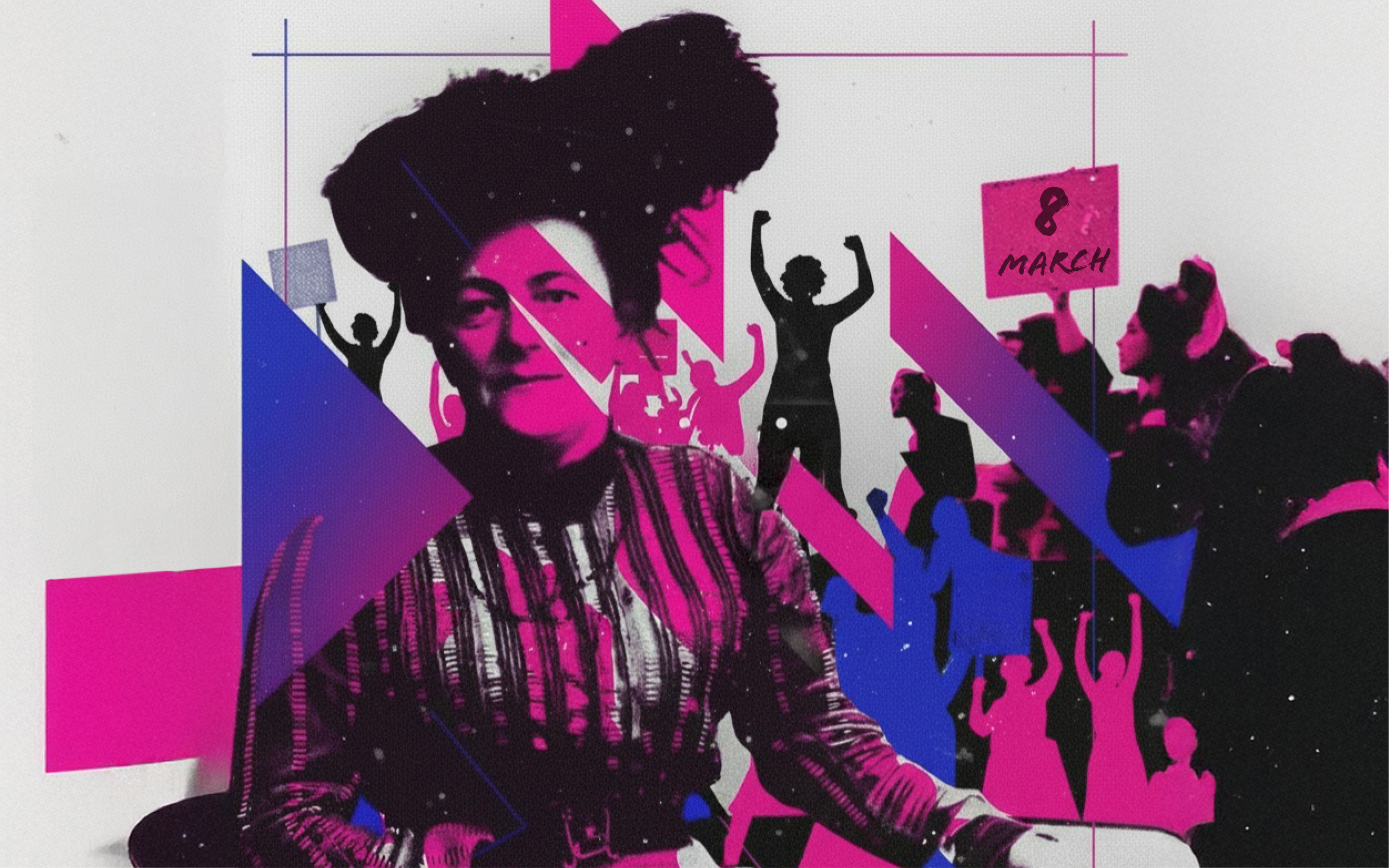
The Intersection of Mother's Day and March 8th: A Global Perspective on "Muttertag 8 März"
The phrase "muttertag 8 märz" immediately sparks an interesting discussion about how different cultures honor mothers and women worldwide. While many in Western countries associate Mother's Day (Muttertag in German) with the second Sunday in May, March 8th holds a deeply significant place as International Women's Day. What's fascinating is that in a number of countries, particularly across Eastern Europe and parts of Central Asia, these two celebrations beautifully intertwine, making March 8th a de facto, if not official, Mother's Day.
This unique convergence reflects a rich tapestry of history, tradition, and cultural values. It’s a day where the fight for women's rights, gender equality, and social justice, which are the hallmarks of International Women's Day, also extends to a profound appreciation for motherhood. For many, March 8th becomes a comprehensive celebration of all women—mothers, grandmothers, sisters, daughters, and colleagues—acknowledging their diverse roles and invaluable contributions to society.
Understanding "muttertag 8 märz" requires us to look beyond conventional calendars and delve into the nuances of global celebrations. It's an opportunity to appreciate the varied ways love and respect are expressed across borders, and how historical contexts have shaped contemporary festivities. This article will explore the origins of this unique intersection, delve into how it's celebrated in various regions, and offer insights into its enduring significance.
March 8th: More Than Just Women's Day in Some Cultures
In countries like Russia, Ukraine, Belarus, Serbia, Bulgaria, and many others that were part of the former Soviet bloc, March 8th transcends the purely political and social connotations of International Women's Day. It transforms into a widespread celebration of womanhood in its entirety, with a strong emphasis on mothers and maternal figures. This shift isn't just a modern phenomenon; its roots run deep into the cultural fabric of these nations.
Historically, under Soviet influence, International Women's Day was elevated to a public holiday. While initially a day to advocate for women's rights and socialist ideals, it gradually evolved into a more generalized celebration of femininity. Men would present flowers and gifts to all the women in their lives—mothers, wives, sisters, daughters, and colleagues—acknowledging their beauty, strength, and nurturing spirit. This included a special reverence for mothers, making it essentially a Mother's Day, even if not formally titled as such.
Today, this tradition persists with great vigor. Streets are awash with flowers, especially tulips and mimosa, which are popular choices for gifts. Families gather for festive meals, children prepare handmade cards and small presents for their mothers and grandmothers, and workplaces often organize celebratory events. It's a day when women are showered with attention, appreciation, and gratitude, reflecting a deep cultural respect for their role within the family and society. It's a powerful reminder that while the date might differ, the sentiment behind honoring mothers remains universal.
Origins and Evolution of March 8th Celebrations
The origins of International Women's Day trace back to early 20th-century socialist and labor movements, primarily in North America and Europe, advocating for women's suffrage and workers' rights. The official recognition of March 8th by the United Nations in 1975 solidified its global standing as a day to celebrate the social, economic, cultural, and political achievements of women, while also calling for accelerated gender equality.
However, its evolution in Eastern Europe took a distinct path. While the initial revolutionary spirit was present, the emphasis in later decades shifted. The Soviet Union's promotion of women in the workforce and as strong maternal figures contributed to March 8th becoming a day that honored women's contributions both in public life and within the family. This dual emphasis allowed the day to simultaneously champion women's emancipation and celebrate their traditional roles, including motherhood.
This historical context is crucial for understanding why "muttertag 8 märz" resonates so strongly in these regions. It’s not a simple merging of two holidays, but rather a unique cultural adaptation where International Women's Day organically absorbed and amplified the celebration of motherhood, creating a comprehensive tribute to women.
How Mothers are Honored on March 8th
The way mothers are honored on March 8th in these countries is heartfelt and often deeply personal. It's a day designed to make every woman feel cherished and valued. Here are some common traditions and ideas:
- Flowers, Flowers, Flowers: This is perhaps the most iconic gift. Men and children line up at flower stalls, often early in the morning, to buy bouquets for all the significant women in their lives. Tulips, mimosa, and roses are particularly popular.
- Thoughtful Gifts: Beyond flowers, small gifts like chocolates, perfumes, jewelry, or practical items are common. The thought behind the gift is paramount.
- Family Gatherings and Feasts: Many families gather for special meals, either at home or in restaurants. It’s a day for mothers to relax and be served, rather than doing the cooking themselves.
- Children's Performances and Crafts: Schools and kindergartens often hold special concerts or events where children perform songs, poems, or plays dedicated to their mothers and grandmothers. Hand-made cards and drawings are treasured gifts.
- Public Tributes: In some cities, there might be public concerts, art exhibitions, or other cultural events celebrating women and their achievements.
- Acts of Service: Husbands and children often take on household chores, allowing mothers to take a break and enjoy their special day without responsibilities.
If you have a loved one from one of these cultural backgrounds, remembering them on March 8th with a simple message or a small token of appreciation can mean a great deal. It’s a way to acknowledge their heritage and show that you understand the significance of this date for them. For more insights into diverse Mother's Day traditions, you might find muttertag 8 märz - Article 1 particularly interesting.
Distinguishing "Muttertag" from "International Women's Day" Elsewhere
While the "muttertag 8 märz" concept is strong in specific regions, it's equally important to acknowledge that in many parts of the world, Mother's Day and International Women's Day remain distinct celebrations with different origins and focuses.
In countries like Germany (where "Muttertag" is the term for Mother's Day), the United States, Canada, Australia, and many Western European nations, Mother's Day is celebrated on the second Sunday in May. This tradition gained prominence in the early 20th century, largely spearheaded by Anna Jarvis, aiming to honor mothers and motherhood after the passing of her own mother. It is a day exclusively dedicated to celebrating one's mother and maternal bonds, distinct from the broader social and political agenda of International Women's Day.
International Women's Day on March 8th, in these same countries, is primarily a day for advocating women's rights, raising awareness about gender inequality, and celebrating the achievements of women as a collective. While mothers are undoubtedly celebrated as part of the broader womanhood, the day's emphasis remains on activism, solidarity, and the ongoing fight for equality rather than individual maternal appreciation.
This distinction highlights the varied historical and cultural paths different societies have taken. Neither approach is inherently "more correct"; rather, they reflect diverse ways of valuing and acknowledging the immense contributions of women and mothers to society. Understanding these differences enriches our global perspective on celebratory traditions.
The Enduring Significance of Celebrating Motherhood and Womanhood
Whether it's "muttertag 8 märz" or Mother's Day in May, or indeed any other form of celebration, the underlying message is one of profound appreciation. Motherhood, in all its forms, is a cornerstone of human society. Mothers nurture, educate, protect, and inspire, often making countless sacrifices for the well-being of their families and communities. Celebrating them, whether individually or as part of a larger tribute to all women, is essential for recognizing their immeasurable impact.
The convergence of Mother's Day and International Women's Day on March 8th in certain cultures offers a powerful integrated message: that celebrating women's rights and equality goes hand-in-hand with valuing their roles as mothers. It underscores the idea that a society that respects and empowers its women, including its mothers, is a stronger, more compassionate, and more equitable society overall.
These celebrations provide an opportunity for reflection—to consider the progress made in women's rights, the challenges that still exist, and the unwavering strength and resilience of mothers everywhere. They remind us to actively support and uplift the women in our lives, not just on a specific day, but every day. For a deeper dive into the broader context of these celebrations, check out muttertag 8 märz - Article 3.
Ultimately, "muttertag 8 märz" is a beautiful example of how cultural contexts shape global traditions. It’s a testament to the universal desire to honor the women who shape our lives, celebrating their multifaceted roles and their enduring spirit. As we continue to navigate a diverse world, understanding and appreciating these unique celebrations allows us to build stronger bridges of cross-cultural understanding and respect.